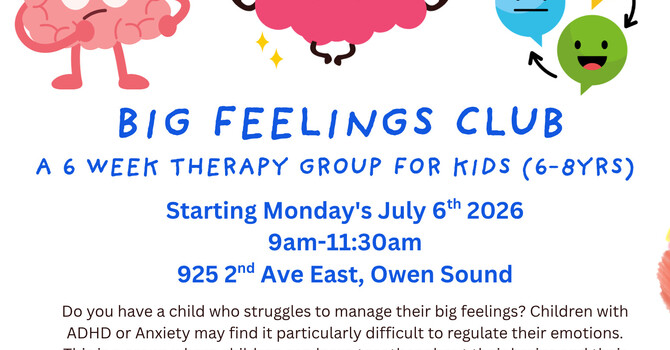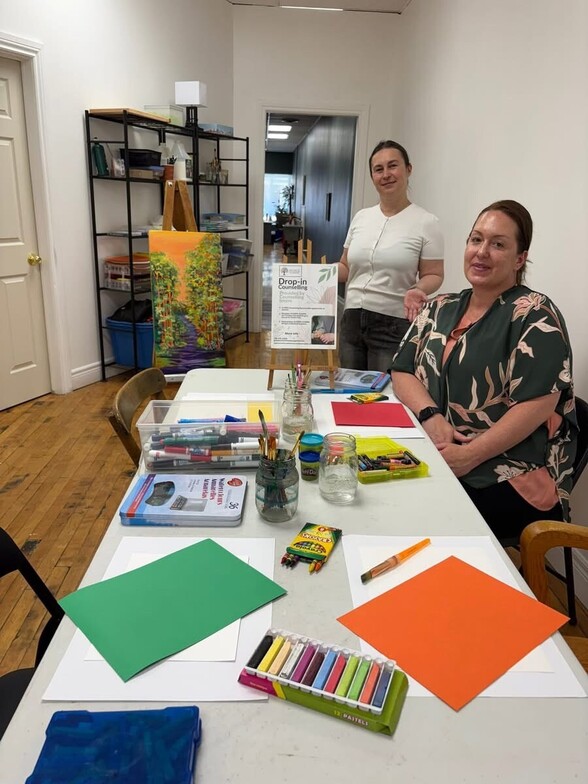
When people hear the term art therapy, they often think of painting, colouring, or making crafts. While these activities may be part of the experience, art therapy is much more than creating something visually appealing. It is a therapeutic approach that uses the creative process to support emotional well-being, self-expression, and personal growth.For many people with disabilities, art can become a powerful form of communication, one that goes beyond words. Whether someone is expressing emotions, processing life experiences, or simply exploring their creativity, art therapy provides a safe and supportive environment where every individual can be seen, heard, and valued.
More Than Making Art
One of the biggest misconceptions about art therapy is that artistic ability matters. In reality, the focus is never on producing a perfect painting or craft. Instead, the emphasis is on the creative process and the meaning behind it. Art therapy encourages individuals to explore thoughts and emotions in ways that may feel more comfortable than talking alone. Through guided creative activities, participants can gain insight into their experiences, build confidence, and develop healthy coping strategies.For individuals with disabilities, this can be especially meaningful. Creative expression offers an alternative way to communicate feelings, experiences, and ideas that may otherwise be difficult to express verbally.
How Art Therapy Can Help
Research continues to demonstrate that art therapy can positively support emotional, cognitive, and social well-being. Every individual is unique, art therapy is tailored to each person's strengths, interests, and abilities, creating an inclusive experience where everyone can participate in a way that feels comfortable. Depending on each person's goals and needs, art therapy may help individuals:Express emotions in a safe and creative wayBuild self-confidence and independenceReduce stress and anxietyStrengthen communication skillsImprove emotional regulationDevelop healthy coping strategiesFoster meaningful social connectionsThe Role of Sensory Experiences in Art TherapyArt therapy has the ability to engage the senses in a meaningful and therapeutic way. Many people with disabilities, including those who are neurodivergent, experience the world differently through their sensory systems. Some individuals may be highly sensitive to sounds, textures, or bright lights, while others seek additional sensory input to feel calm and regulated.Art therapy provides opportunities to explore a variety of sensory experiences in a safe, supportive, and individualized environment. The feel of clay, the movement of a paintbrush across paper, the texture of collage materials, or the repetitive motion of drawing can all offer calming sensory input while encouraging creativity and self-expression.
Art Therapy and Arts & Crafts: What's the Difference?
Although both involve creativity, art therapy and arts and crafts serve different purposes. Arts and crafts focus on enjoyment, learning new skills, and creating a finished product. They encourage creativity, improve fine motor skills, and provide opportunities for recreation and social connection. Art therapy, however, uses the creative process as part of a therapeutic relationship. Rather than focusing on what the artwork looks like, the emphasis is on how creating art supports emotional expression, personal growth, and overall well-being. Both experiences have tremendous value, and many individuals benefit from participating in both.
Creating Spaces Where Everyone Belongs
A common strength of art therapy is its ability to create inclusive spaces. There is no "right" or "wrong" way to create art. Every brushstroke, colour choice, and creative decision tells a unique story. For people with disabilities, this can be incredibly empowering. Art therapy celebrates individuality rather than perfection, allowing participants to explore their creativity without fear of judgment. It creates opportunities to build confidence, develop relationships, and experience a sense of belonging within a supportive community.
Final Thoughts…
Art has the ability to connect us, inspire us, and help us express what words sometimes cannot. For people with disabilities, art therapy is more than a creative activity, it is an opportunity to discover strengths, build resilience, and experience personal growth in a safe and welcoming environment. At its heart, art therapy isn't about creating the perfect piece of artwork. It's about creating opportunities for people to explore who they are, connect with others, and recognize that every voice deserves to be expressed.How has creativity made a difference in your life or the life of someone you know?
References
https://ciiat.org/.https://www.cheo.on.ca/en/resources-and-support/sensory-processing-disorder.aspx.https://autismsummit.hollandbloorview.ca/ot-autism-toolkit/understanding-the-impact-of-sensory-processing-differences-and-the-need-to-engage-in-sensory-advocacy/.https://www.authorea.com/doi/pdf/10.22541/au.169531401.17663927/v1.
Patricia Ziraldo
Contact Me